
How To Read and Understand an Aircraft’s POH
Pilots rely on clear, accurate information every time they step into the cockpit. One of the most valuable resources sits right in front of you: the Pilot’s Operating Handbook. Many students feel overwhelmed at first, yet steady use builds familiarity and confidence. Learning how to read and understand an aircraft’s POH gives you a practical advantage during every phase of training.
Here’s a quick guide to break the process into clear steps so you can approach the POH with purpose and apply it during real flights.
What A POH Includes And Why It Matters
Every aircraft comes with a POH that explains how it operates under normal and abnormal conditions. It outlines performance capabilities, operating limits, and system behavior in a structured format.
You will use this document during pre-flight planning, lesson preparation, and post-flight review. It provides aircraft-specific data that supports accurate decision-making.
When you consistently rely on the POH, you build habits that lead to safer, more controlled flying.
How The POH Is Organized
Manufacturers follow a standardized structure, which makes navigation easier once you understand the layout. Each section focuses on a specific part of aircraft operation.
You will move through sections that cover general information, limitations, procedures, performance data, and systems. As you gain experience, you will know where to find information without hesitation.
That familiarity allows you to stay focused during lessons and respond quickly when your instructor asks questions.
Focus On The Limitations Section First
The limitations section defines the boundaries you must follow every time you fly. These limits shape how the aircraft performs and how you operate it safely.
You will study maximum weight, airspeed ranges, and approved maneuvers. These values connect directly to cockpit indications, which help you recognize when you approach operational limits.
Early familiarity with this section strengthens discipline and improves your awareness of the aircraft.
Give Priority To Emergency Procedures
Emergency procedures prepare you for situations that require immediate action. This section outlines structured steps that guide your response when something goes wrong.
You will review scenarios such as engine failure and system malfunctions. Focus on the actions that require quick recall, since those steps often happen without time to reference a checklist.
Regular review builds confidence and helps you act with clarity under pressure.
Use Normal Procedures As Your Daily Guide
The normal procedures section provides a clear sequence for each phase of flight. It supports consistent operation from pre-flight through shutdown.
Use this section before each lesson. Connect what you read with what you do in the aircraft so each step reinforces your habits.
As your training progresses, these procedures become more natural, leading to smoother, more efficient flights.
Make Performance Charts Work For You
Performance charts require careful attention, yet they play a major role in safe flight planning. These charts show how the aircraft performs under specific conditions.
Work through each chart step by step. Start with known values and follow the chart carefully until you reach the correct result. Avoid rushing, since small mistakes can affect planning decisions.
With practice, you will read these charts more efficiently and apply them with confidence during flight preparation.
Understand Weight And Balance Without Overcomplication
Weight and balance calculations protect aircraft stability and control. The POH provides the guidance you need to stay within safe limits.
You will evaluate how passenger weight, fuel levels, and baggage placement affect the center of gravity. Focus on how these changes influence aircraft behavior rather than treating the process as simple math.
Consistent practice builds confidence and helps you recognize how loading decisions affect performance.
Learn How Aircraft Systems Work Together
The systems section explains how different components operate during flight. You will study how fuel, electrical power, and control inputs support aircraft operation.
Focus on how these systems connect rather than memorizing isolated details. When you understand these relationships, you can identify issues more quickly and respond with clarity.
This knowledge also improves how you communicate during lessons and briefings.
How Instructors Expect You To Use The POH
Instructors expect you to use the POH actively throughout your training. You will reference it during briefings, planning sessions, and post-flight discussions.
During lessons, your instructor may ask you to locate performance data, explain limitations, or walk through procedures directly from the handbook. This approach builds familiarity and reinforces your ability to find information quickly.
Checkrides also rely on this knowledge, which makes consistent use of the POH an important part of your preparation.
Build A Practical Study Routine
Progress depends on consistency. Break the POH into sections and review them regularly rather than trying to cover everything at once. Read a section before each lesson and apply that knowledge during flight. Revisit areas that feel unclear and ask questions during instruction.
This approach keeps the material relevant and helps you retain information more effectively.
Avoid Common POH Study Mistakes
Some students rely on memorization without understanding how the information applies in practice. Others skip sections that feel challenging, which creates gaps in knowledge.
Stay engaged with the material and connect each section to real flight scenarios. Treat the POH as a tool you use regularly rather than a reference you open occasionally. That mindset leads to stronger retention and more confident performance.
Connect POH Knowledge To Real Flight Training
You build real confidence when you apply POH knowledge during actual flights. Reading the handbook gives you the foundation, yet consistent use in the aircraft turns that knowledge into skill.
Instructors expect you to reference the POH during planning, briefings, and post-flight discussions. You will look up performance data, verify limits, and explain procedures as part of your training process. That habit strengthens your ability to make informed decisions without hesitation.
Students who train in structured programs gain more opportunities to apply what they study. Pilots work through real scenarios that require accurate use of the POH, which sharpens both awareness and execution in the cockpit.
Take The Next Step With Confidence
You now have a clear path to read and understand an aircraft’s POH confidently. This skill shapes how you prepare, how you respond in flight, and how you continue progressing as a pilot.
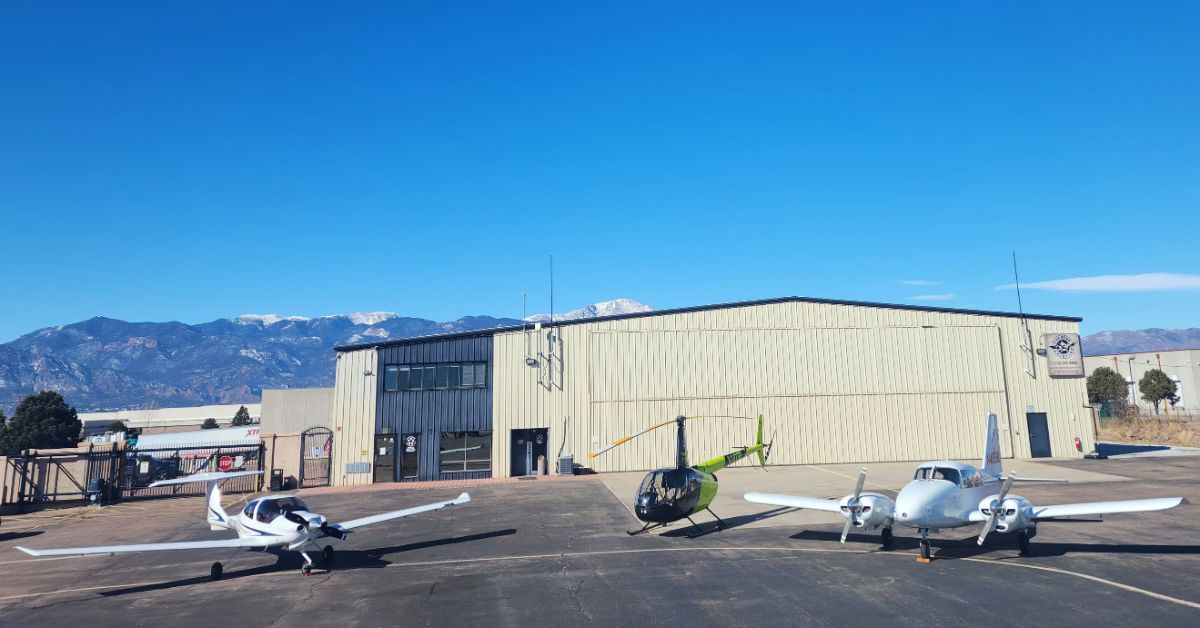
At Arapahoe Flight Club, you train in real aircraft with instructors who guide you through each phase of learning. Our instructors walk you through POH usage during lessons, helping you connect each section to real flight situations without relying on shortcuts or guesswork.
If you are exploring flight training in Colorado Springs, Arapahoe Flight Club offers the structure, flight time, and hands-on experience that support steady progress. Reach out today to schedule a discovery flight or speak with an instructor about your goals.