
A Beginner’s Guide to Aircraft Maintenance for Pilots
Flying requires far more than stick-and-rudder skill. Every safe flight begins with mechanical awareness, disciplined inspection habits, and a clear understanding of the aircraft's responsibilities. In this beginner’s guide to aircraft maintenance for pilots, you will learn the essential maintenance knowledge every new aviator must develop from day one.
If you're dedicated to flight training, developing mechanical awareness should begin right when you step onto the ramp. Knowing how your aircraft stays airworthy helps minimize risks, enhances your decision-making, and increases confidence, all of which benefit every lesson.
Aircraft maintenance isn't just for mechanics; it's a responsibility shared by every pilot who takes command.
Why Aircraft Maintenance Matters More Than You Think
Many students concentrate heavily on maneuvers, checkride standards, and logged hours. Although these milestones are important, they are all dependent on having a safe, reliable aircraft.
Maintenance directly affects:
- Engine reliability
- Flight control integrity
- System performance
- Dispatch consistency
- Long-term aircraft value
When maintenance standards are maintained at a high level, training remains consistent. This helps avoid unnecessary cancellations, mechanical issues during flight, and preventable safety hazards. Professional pilots see maintenance not as background noise but as a fundamental part of safety.
Airworthiness: The Standard Behind Every Takeoff
Before every flight, you need to verify that the aircraft meets airworthiness standards. Under FAA regulations, airworthiness has a specific meaning: the aircraft must adhere to its approved type design and be in a condition suitable for safe flight.
You verify airworthiness through two methods: reviewing documentation and conducting a physical inspection.
Logbooks record the aircraft’s maintenance history, including inspections, part replacements, repairs, and regulatory compliance. Careful review of these entries helps ensure that inspections are current and that there are no unresolved issues.
A physical inspection checks aspects that paperwork cannot, such as the structure, controls, fluids, and components, to ensure everything is safe.
Both steps require thoroughness and cannot be rushed. Proper discipline on the ground is essential to aviation safety.
The Pilot’s Role in Aircraft Maintenance
Certified mechanics handle repairs, troubleshooting, and required inspections. However, the pilot carries final authority before departure.
As a student or certificated pilot, you must:
- Conduct thorough preflight inspections
- Review maintenance logs before flight
- Monitor engine and system indications
- Report discrepancies immediately
- Refuse unsafe aircraft
No instructor, mechanic, or flight school assumes responsibility once you initiate takeoff. Even during training, you develop habits that shape your future command decisions.
Mechanical awareness builds accountability.
Required Inspections Every Student Should Recognize
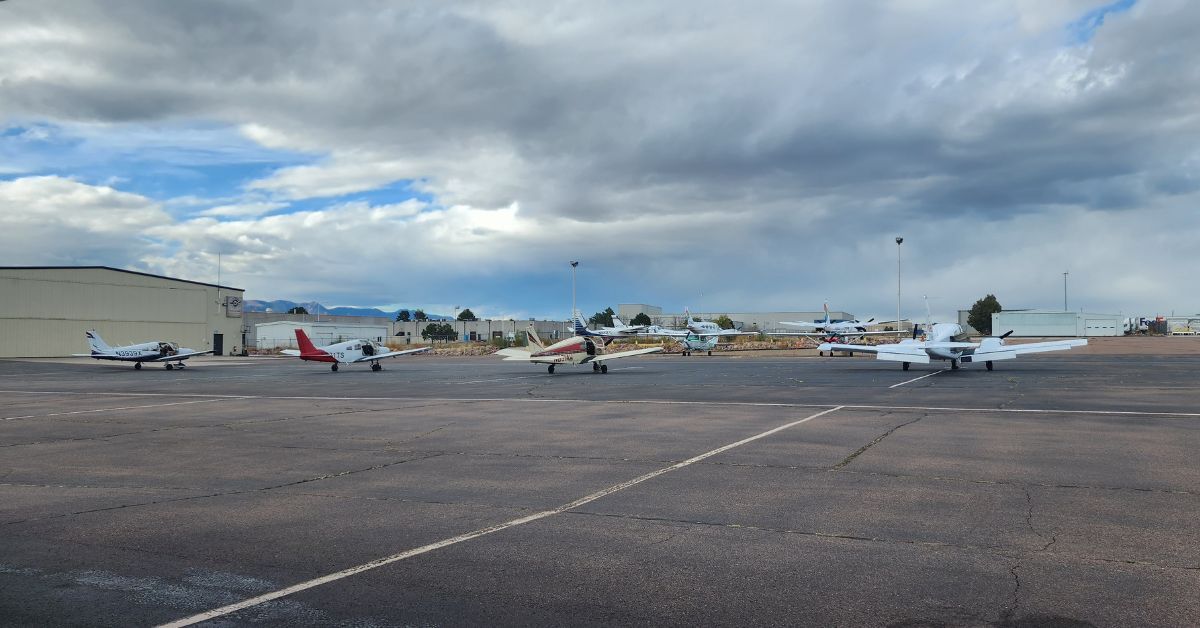
Training aircraft operate frequently, which makes inspection schedules especially important. The FAA mandates recurring inspections that you should recognize instantly in the logbooks.
Key required inspections include:
- Annual inspection every 12 calendar months
- 100-hour inspection for aircraft used in instruction or rental
- Transponder inspection every 24 months
- ELT inspection every 12 months
- Pitot-static system inspection every 24 months for IFR flight
When you understand these intervals, you do not depend blindly on others. You confirm compliance independently. That confidence strengthens your professionalism early in training.
Preflight Inspection as a Mechanical Evaluation
Many beginners view preflight as just a memorized checklist, while experienced pilots see it as a mechanical evaluation. During preflight, you check fuel quality and quantity, verify oil levels, inspect control surfaces, examine hinges and fasteners, assess tires and brakes, and look for fluid leaks or structural issues. You don't rush through it. Instead, you compare what you observe with your expectations and notice small details.
Over time, you start to recognize subtle differences, such as an engine that cranks slightly more slowly, a brake that feels softer, or a control surface that moves differently in the wind. This awareness doesn’t develop by chance but through consistent, attentive inspection.
Common Mechanical Issues New Pilots Encounter
Even in well-maintained aircraft, normal wear and tear are common. Training conditions often place repeated stress on components such as brakes, tires, engines, and electrical systems.
You might experience rough engine starts due to fouled spark plugs. Cold mornings may reveal weak battery performance. Minor oil residue near engine parts or slight vibration differences during run-up may also be noticeable.
None of these issues automatically grounds the aircraft, but they all require assessment and clear communication. Prompt and precise reporting of discrepancies helps ensure fleet safety, fosters trust with instructors and maintenance staff, and demonstrates professionalism and maturity.
Preventive Maintenance and Mechanical Familiarity
The FAA allows certificated pilots to perform limited preventive maintenance on aircraft they own or operate. While student pilots typically observe rather than perform these tasks, understanding them builds confidence.
Preventive maintenance includes minor servicing and replacement parts that do not require complex disassembly. Proper documentation remains essential.
When you understand what technicians inspect, replace, and monitor, you view the aircraft as a system rather than a mystery. That systems-based thinking improves troubleshooting skills and aeronautical decision-making. Mechanical familiarity reduces hesitation in abnormal situations.
Real Aircraft Experience Builds Mechanical Instinct
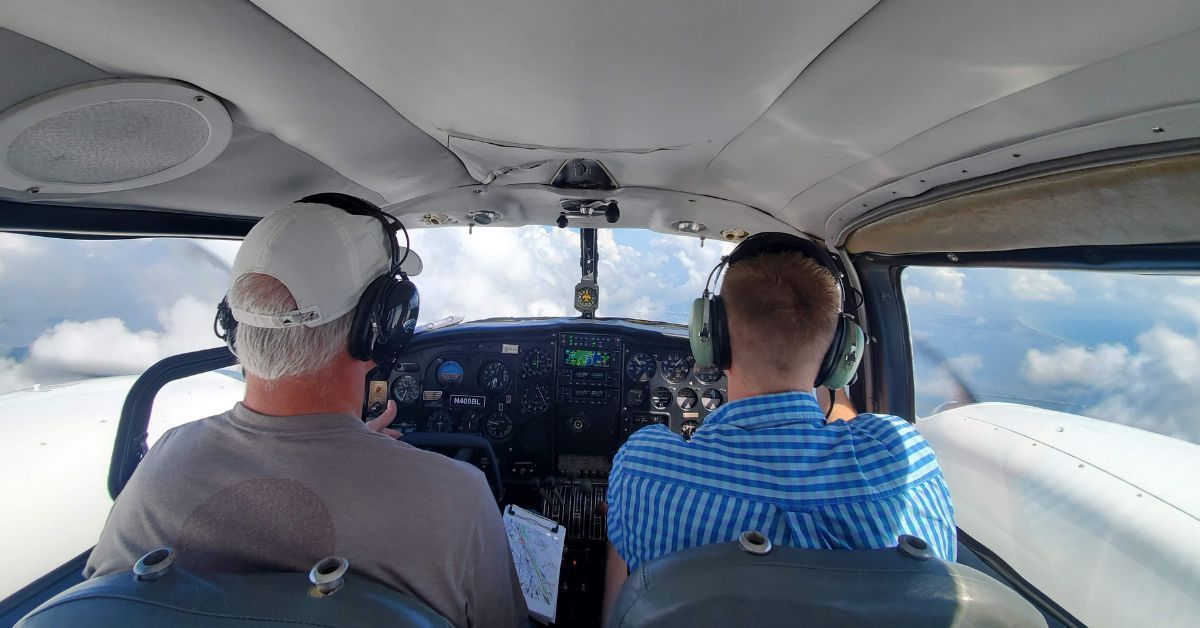
Developing strong mechanical instincts requires exposure. Consistent training in real aircraft allows you to learn through sound, vibration, and repetition.
You notice engine responses to throttle adjustments, feel subtle changes in braking, observe how density altitude impacts climb performance, and see how temperature affects oil pressure.
While simulation is useful, actual aircraft give sensory feedback that refines judgment. Repeated experiences help you identify abnormal conditions early. This instinct becomes crucial as you advance beyond basic training.
Professional Habits That Strengthen Maintenance Awareness
Professionalism begins long before advanced certifications. You build it through daily behavior.
Strong maintenance habits include:
- Arriving early enough to complete an unrushed preflight
- Reviewing logbooks carefully instead of casually
- Asking informed questions about recent maintenance entries
- Reporting discrepancies immediately, even if minor
- Treating every aircraft as if you own it
These behaviors create consistency. Consistency creates safety. Safety creates confidence.
Students who build these habits early often transition more smoothly into advanced ratings because they already think beyond minimum standards.
How Maintenance Knowledge Supports Long-Term Aviation Goals
Even if you begin flying for personal fulfillment, mechanical understanding expands your options. Advanced ratings demand deeper systems knowledge. Checkrides require clear explanations of engine, fuel, electrical, and flight control systems.
Professional operators expect pilots to understand how their aircraft function. Interviewers frequently ask technical questions to assess systems knowledge and risk awareness.
Maintenance literacy strengthens:
- Decision-making under pressure
- Emergency response quality
- Technical communication
- Professional credibility
Aviation rewards preparation. When you commit to understanding aircraft systems early, you set yourself apart.
Take the Next Step Toward Confident Flying
Aircraft maintenance forms the backbone of safe flight. When you understand inspection requirements, documentation standards, system behavior, and professional habits, you elevate every hour you log.
This beginner’s guide to aircraft maintenance for pilots provides the foundation. Real confidence develops through structured training, consistent aircraft exposure, and disciplined oversight.
If you are ready to move forward, pursuing your ppl certificate in an environment that prioritizes real aircraft experience and high operational standards will strengthen both your flying ability and your mechanical awareness. Contact Arapahoe Flight Club today to schedule a discovery flight and begin building the habits that define confident, safety-focused pilots.