
Considerations To Look For in a Rotor Transition Program
Pilots often reach a point where they want to expand their skills and explore new aircraft. Transitioning from fixed-wing airplanes to helicopters offers that opportunity. Rotorcraft flying requires a different level of coordination, control, and awareness that many aviators find both challenging and rewarding.
Choosing the right training program makes that transition smoother. The structure of the curriculum, the availability of aircraft, and the quality of instruction all influence how quickly a pilot adapts to helicopter flying.
Understanding the considerations to look for in a rotor transition program helps pilots evaluate schools with confidence. The right environment supports skill development, encourages safe decision making, and prepares students for real-world rotorcraft operations.
Below are several key factors pilots should evaluate before beginning helicopter transition training.
A Curriculum Designed for Transitioning Pilots
Many helicopter schools primarily train new students with little aviation experience. Pilots transitioning from airplanes already understand airspace procedures, weather planning, and cockpit discipline.
A strong rotor transition program builds on that foundation instead of repeating basic aviation concepts. The curriculum should focus on helicopter-specific knowledge and control techniques.
Transition training often emphasizes:
- Rotorcraft aerodynamics
- Precision hover control
- Power and torque management
- Vertical takeoff and landing procedures
This focused approach allows experienced pilots to adapt quickly while still developing the coordination required for rotorcraft flight.
Reliable Aircraft Access and a Strong Training Fleet
Consistent flight time plays a critical role in helicopter training. Students develop rotorcraft control through repetition, especially when learning to hover and manage coordinated inputs.
Programs with limited aircraft often struggle to keep students flying regularly. Long gaps between lessons can slow progress and increase training costs.
A strong training fleet typically offers:
- Well-maintained helicopters designed for training
- Regular inspection and maintenance schedules
- Enough aircraft to support student demand
- Consistent flight availability
Frequent flight time helps students build confidence and refine their control of the aircraft more efficiently.
Experienced Instructors Who Understand Rotorcraft Training
Instructor experience can shape the entire learning process. Helicopters require precise control inputs, and small mistakes can quickly grow into bad habits without proper guidance.
Effective instructors demonstrate maneuvers clearly and provide immediate feedback during training flights. They also understand the challenges pilots face when transitioning from fixed-wing aircraft.
Students benefit from instructors who can explain rotorcraft behavior, reinforce correct techniques, and encourage steady progress. This supportive environment allows pilots to focus on skill development rather than worrying about early mistakes.
Strong instruction builds both technical ability and confidence in the aircraft.
Dedicated Training for Hover and Low-Speed Control
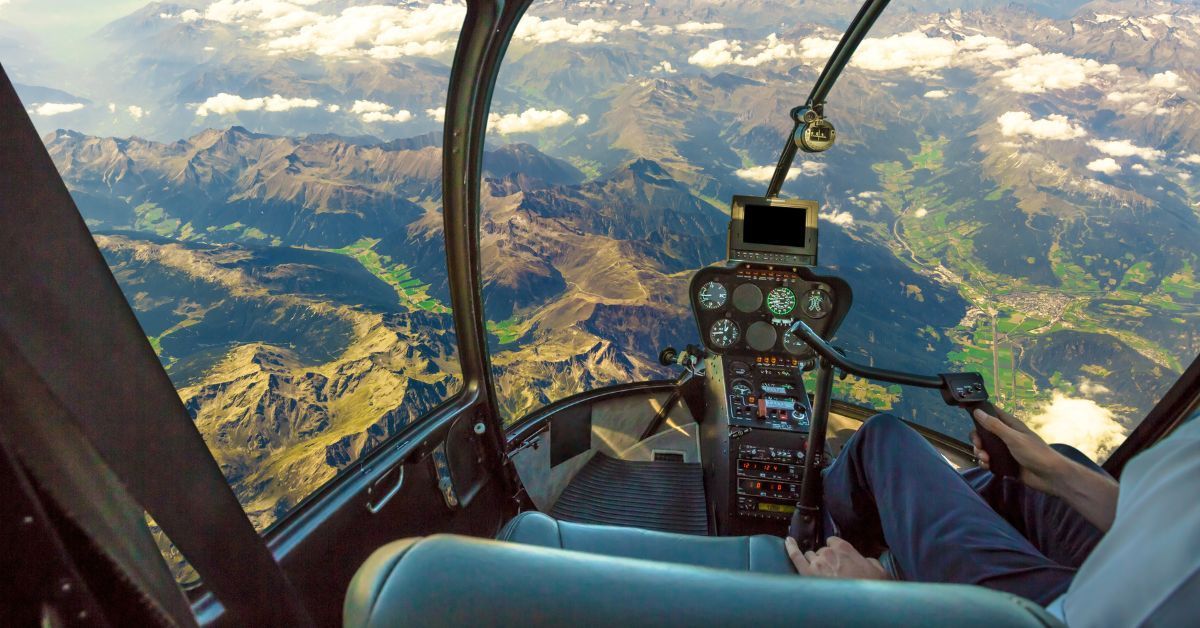
Hover control often represents the biggest adjustment for pilots transitioning to helicopters. Unlike fixed-wing aircraft, helicopters require pilots to make continuous, small control inputs to maintain stable flight. This involves coordinated, precise movements of the cyclic, collective, and pedals almost simultaneously, all while monitoring power levels, engine parameters, and external visual references such as the horizon or landmarks.
Effective training programs should allocate substantial time to early instruction to develop this critical skill. Mastery of hover control underpins many other helicopter maneuvers, including vertical takeoffs and landings, hovering in confined spaces, and precise positioning during complex operations.
Students who establish strong hover skills early tend to advance more quickly through subsequent phases of their flight training, as this foundational ability enhances overall aircraft handling and safety.
Structured Ground School and Aerodynamic Training
Rotorcraft aerodynamics differ significantly from fixed-wing flight principles. Pilots need to understand these differences thoroughly before safely managing helicopter performance.
Ground school provides the essential knowledge needed to support safe flight operations — students learn how rotor systems generate lift, the various aerodynamic forces at play, and how these forces influence helicopter handling and performance.
Effective programs introduce concepts such as:
- Translational lift
- Retreating blade stall
- Vortex ring state
- Autorotation principles
Pilots who understand these principles develop stronger situational awareness during flight and make better operational decisions.
A Training Environment That Reflects Real Operations
The training environment significantly influences how effectively pilots prepare for real-world helicopter operations. Helicopters are used in a wide range of locations, from busy city landing zones to isolated remote terrains. Programs that incorporate diverse training environments enable students to acquire comprehensive operational experience.
Exposure to various conditions enhances their adaptability, increases confidence, and ensures they are well-equipped to handle the challenges of real-world flying.
Pilots benefit from experience in:
- Different terrain environments
- Changing weather conditions
- Controlled and uncontrolled airspace
- Varied landing areas
This experience helps students develop the flexibility needed for many rotorcraft missions.
Safety Culture and Professional Flying Habits
Safety must underpin every aspect of helicopter training. Well-designed programs focus on disciplined procedures, heightened situational awareness, and uniform decision-making.
Students trained in safety-oriented settings learn to approach each flight with thorough preparation and keen attention to detail. These practices foster lasting success in aviation careers.
A strong safety culture often includes:
- Thorough preflight inspections
- Structured safety briefings
- Clear operational procedures
- Instructor oversight during complex maneuvers
These practices help students build the professional habits required for responsible rotorcraft flying.
Career Preparation and Aviation Opportunities
Many pilots pursue rotor transition training to expand their aviation careers. Helicopters support a wide range of missions, including aerial surveying, emergency services, tourism, and utility operations.
Training programs that understand the aviation industry can help students explore these opportunities more effectively. Schools that emphasize career development often provide mentorship and guidance throughout training.
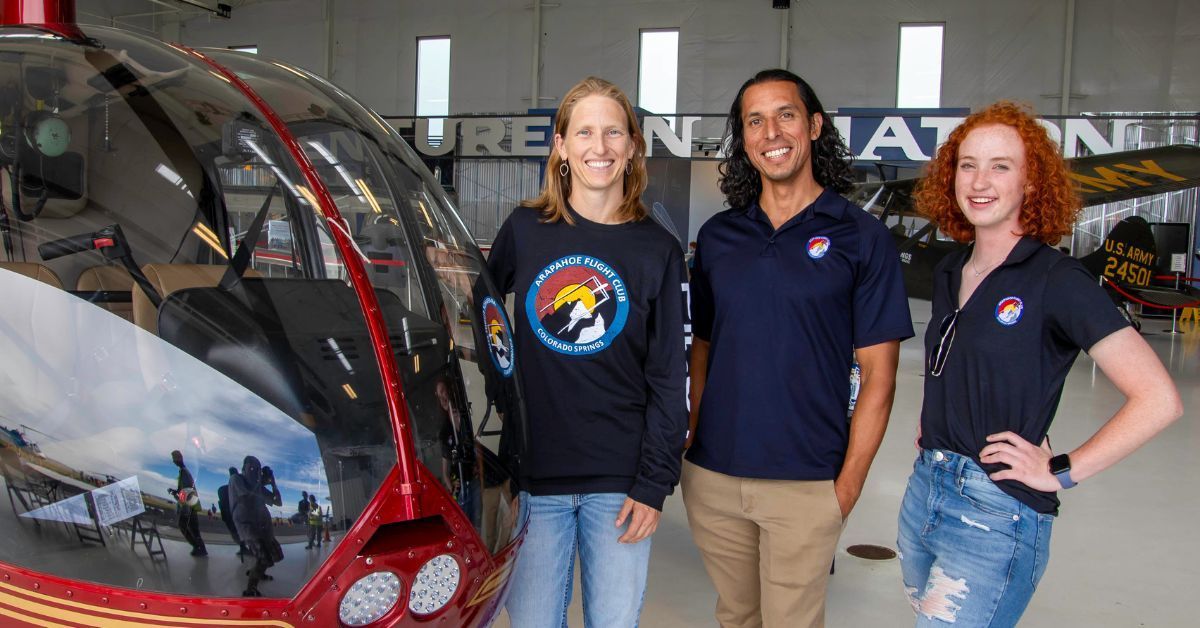
At Arapahoe Flight Club, students train in an environment designed to build real flight experience and practical skills. The program prioritizes hands-on aircraft training over heavy simulator use, allowing students to gain valuable cockpit time.
Students can also explore aviation career pathways and financial aid opportunities that help make professional flight training more accessible.
Choosing the Right Training Program
Transitioning to helicopters opens new opportunities for pilots who want to broaden their aviation skills. The process requires dedication, discipline, and the right training environment.
Pilots who understand the considerations to look for in a rotor transition program can evaluate schools more effectively and select programs that support their goals.
Strong instruction, reliable aircraft access, and consistent training opportunities all contribute to a successful transition into rotorcraft aviation. These elements help pilots develop the precision, awareness, and confidence required for helicopter operations.
At Arapahoe Flight Club, our team supports pilots who want to expand their aviation skills and explore rotorcraft training opportunities. We can help you understand rotor transition program requirements and guide you toward the next step in your aviation journey.