
Benefits of Getting a Single-Engine Fixed-Wing Endorsement
Helicopter pilots possess a unique set of skills that demands precision, situational awareness, and quick decision-making. Mastering the art of hovering or executing an autorotation proves your capabilities as an aviator. However, the aviation industry fluctuates, and career goals often shift.
Many commercial rotorcraft pilots eventually look to airlines for stability, travel opportunities, or higher earning potential. Making this switch does not require starting your training from scratch. Understanding the benefits of obtaining a single-engine fixed-wing endorsement helps you leverage your existing experience to fast-track your career in the airline industry.
Expanding Career Opportunities
The primary reason pilots pursue a fixed-wing add-on is the sheer number of opportunities in the airline industry. While helicopter careers offer rewarding paths in sectors such as emergency medical services (EMS), electronic news gathering, and tours, major airlines operate almost exclusively with fixed-wing aircraft.
Regional and major airlines actively recruit qualified pilots. By holding a commercial certificate in both categories, you position yourself as a versatile candidate. This dual qualification demonstrates adaptability and a broad understanding of aerodynamics. It opens doors to corporate flight departments, cargo operations, and charter companies that fly airplanes rather than helicopters.
Streamlined Training Process
Current regulations recognize the value of your rotorcraft experience. Because you already hold a commercial pilot certificate, you bypass the requirement for a new knowledge test (written exam) when adding a single-engine fixed-wing rating. The Federal Aviation Administration (FAA) acknowledges that you already understand airspace, weather, regulations, and aeromedical factors.
Your training focuses exclusively on flight proficiency in the new aircraft category. You must master takeoffs, landings, stalls, and airplane-specific maneuvers. This streamlined approach saves months of study and ground school. You focus on the practical application of flying the plane, ensuring a smooth, efficient transition.
Building on Aeronautical Decision Making
Helicopter pilots make split-second decisions in dynamic environments. You often fly at lower altitudes, land in unimproved areas, and manage complex systems. This high level of Aeronautical Decision Making (ADM) transfers directly to the fixed-wing cockpit.
When you transition to an airplane, you bring a heightened sense of situational awareness. Your ability to monitor engine instruments, scan for traffic, and interpret weather conditions remains a strong asset.
Instructors often find that rotorcraft transition students quickly master energy management and emergency procedures because they already understand the consequences of aerodynamic limits. This existing foundation allows you to progress through the syllabus at a rapid pace.
Real Flight Experience vs. Simulation
Flight schools differ in how they prepare transition pilots for the airlines. Some programs rely heavily on simulators to build time. While simulators have a place in training, nothing replaces the feel of a real aircraft in flight.
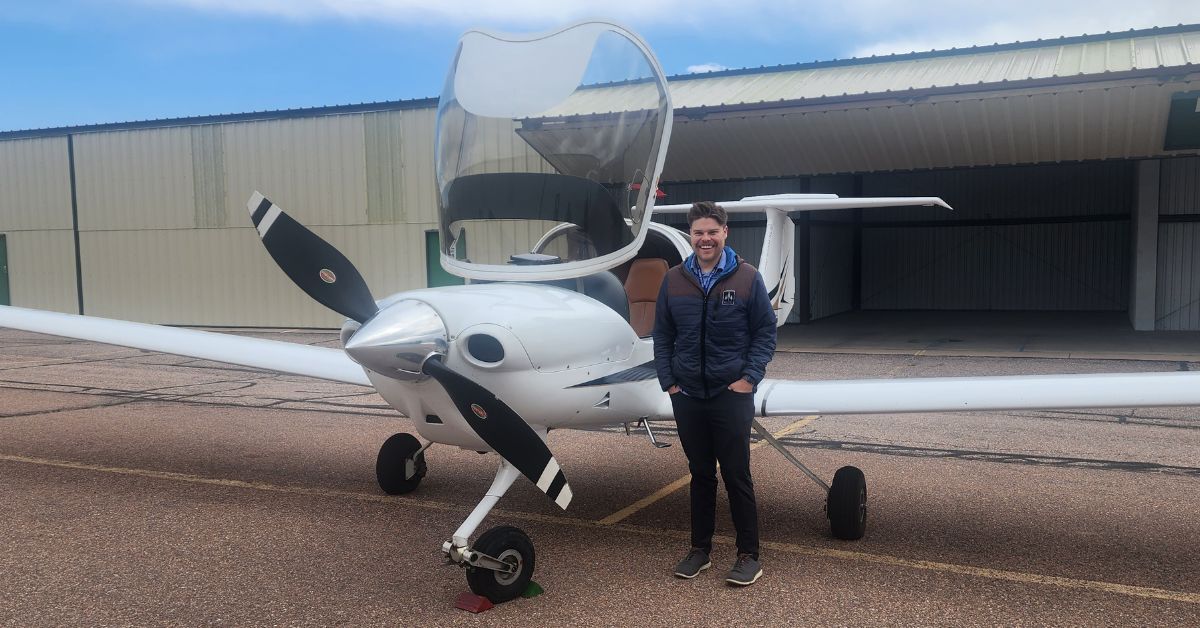
Arapahoe Flight Club prioritizes training in actual aircraft. Our program offers 300 total hours, compared with the 250 hours provided by many competitors. Furthermore, we conduct this training in real aircraft rather than logging excessive simulator hours.
Flying a real aircraft exposes you to actual weather conditions, turbulence, and air traffic control interactions that a simulator cannot fully replicate. Dealing with crosswinds on a landing approach in a physical plane builds muscle memory and confidence. When you arrive at an airline interview, your logbook will reflect substantial pilot-in-command time in real conditions, setting you apart from candidates who spent the majority of their transition time on the ground.
Financial Advantages and Aid
Securing funding for flight training is a challenge for many aviators. However, because the add-on rating requires fewer hours than initial training, the cost remains lower than obtaining a primary license. You pay only for the flight time and instruction needed to reach proficiency and pass the practical test.
Financial aid options exist to support this career move. We offer various pathways to help fund your transition. This accessibility removes a common barrier, allowing you to focus on flying rather than worrying about upfront costs. Investing in this rating yields a strong return on investment, given the signing bonuses and salary scales currently offered by regional and major airlines.
Mastering Different Aerodynamics
Helicopters and airplanes obey the same laws of physics but apply them differently. Understanding these distinctions makes you a superior aviator. In a helicopter, you manage lift and thrust with the collective and cyclic. On an airplane, you manage airspeed and altitude with pitch and power in different ways.
Transitioning to fixed-wing aircraft teaches you to manage energy over longer distances. You learn to plan descents from miles away rather than setting up for a steep approach to a helipad. You also gain a deeper understanding of stall characteristics and spin awareness. These skills complement your helicopter knowledge, giving you a comprehensive understanding of flight dynamics.
Networking and Community
Entering the fixed-wing world introduces you to a new network of professionals. You interact with pilots with diverse backgrounds and career trajectories. This expanded network proves valuable when seeking employment or mentorship.
Flight schools that specialize in transition programs foster a supportive community. You train alongside other helicopter pilots making the same switch. This shared experience fosters a collaborative environment in which students support one another in studying and preparing for check rides.
Lifestyle Considerations
Pilots often cite lifestyle as a significant factor in their decision to switch to airlines. Helicopter jobs usually involve on-call schedules, working holidays, or living near bases. Airlines generally offer more predictable schedules, known departure and arrival times, and flight benefits.
Securing the benefits of a single-engine fixed-wing endorsement is key to this lifestyle change. It allows you to bid on schedules that fit your personal life. Airlines' seniority systems provide a clear path to better routes and days off, offering a long-term structure that many pilots value.
Meeting Airline Requirements
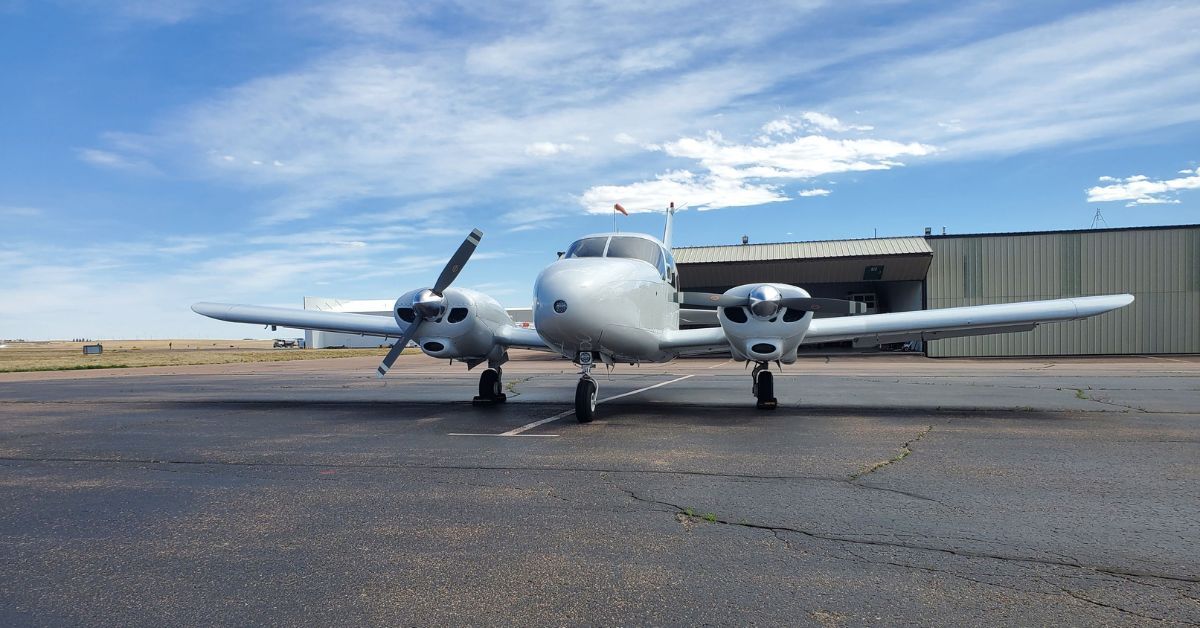
Airlines require specific total time and multi-engine time. The single-engine add-on serves as the necessary stepping stone to the multi-engine rating. You must first demonstrate proficiency in a single-engine aircraft before advancing to complex, multi-engine platforms.
Completing this endorsement efficiently allows you to move quickly to the multi-engine phase. Every hour you fly in a single-engine airplane counts toward your total aeronautical experience. By maximizing your training through a robust program, you can meet the airline transport pilot (ATP) minimums faster.
Advancing Your Career Trajectory
The path from the hover to the runway requires dedication, but the reward involves a career with limitless potential. Airlines need experienced aviators. Your background as a commercial helicopter pilot demonstrates the discipline and skill required for the role.
We established our rotor-to-airline transition program to guide you through this specific process. We use experienced instructors who understand helicopter pilots' habits and can translate those skills to fixed-wing flying. If you are ready to expand your horizons, reach out to us. Contact Arapahoe Flight Club today to schedule your visit and take control of your future.