
Common Aircraft Systems Explained for Student Pilots
Stepping into a cockpit reveals a complex array of gauges, levers, and switches. This environment demands respect and understanding. A pilot must master the machine to command it safely. Mastery comes from knowing how each component functions and interacts with the others. Knowledge of these mechanical relationships builds the confidence required to handle in-flight situations.
Below, we detail several standard aircraft systems to help student pilots understand these fundamental concepts. By mastering these essentials, you will not only support your formal aviation education but also begin building the technical foundation necessary for a safe and successful piloting career.
Reciprocating Engine Operations
Most training aircraft are equipped with reciprocating engines, which function similarly to car engines but are tailored for aviation. These engines mainly consist of four vital parts: cylinders, pistons, connecting rods, and a crankshaft. When the fuel-air mixture ignites within the cylinders, it pushes the pistons, causing them to move. This motion turns the crankshaft, which then spins the propeller to generate thrust.
These engines operate on a four-stroke cycle, often remembered by pilots as "suck, squeeze, bang, blow":
- Intake: As the piston descends, the intake valve opens to let the fuel-air mixture enter the cylinder.
- Compression: The piston ascends, compressing the mixture as the intake valve shuts.
- Power: The spark plugs ignite the compressed mixture, causing an expansion that pushes the piston downward and generates power.
- Exhaust: The exhaust valve opens, and the piston expels burned gases as it moves upward again.
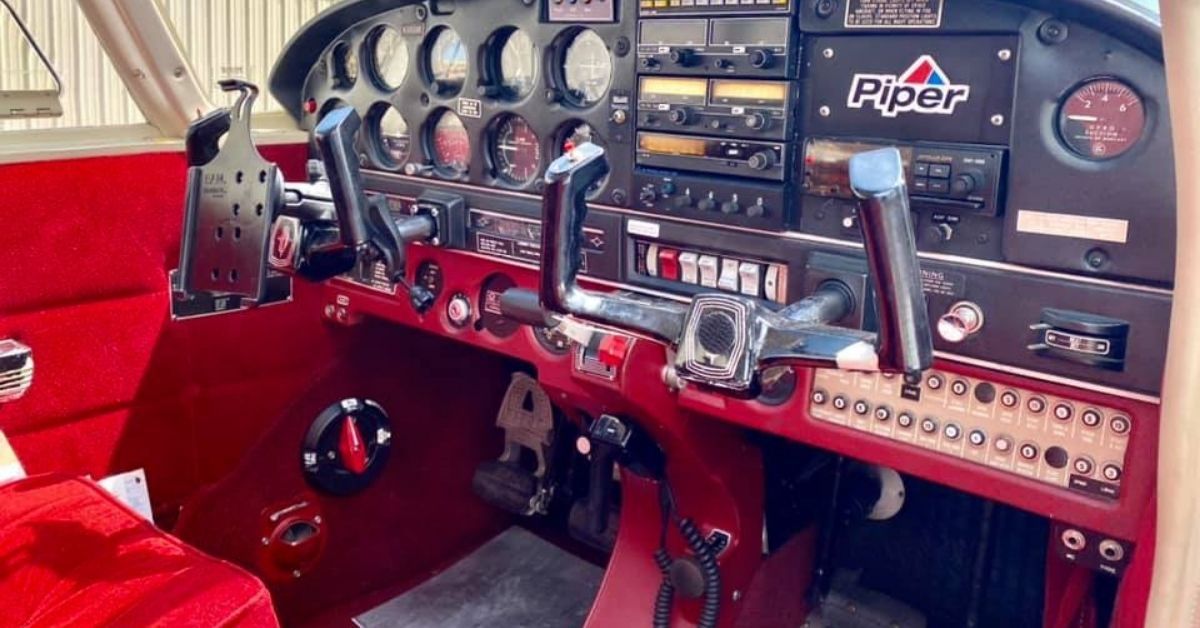
To keep the engine running smoothly, pilots monitor key instruments like oil pressure, oil temperature, and cylinder head temperature. These gauges provide real-time updates on engine health, helping avoid potential issues during flight.
Dual Ignition Systems
Reliability is critical in aviation; therefore, aircraft engines employ dual ignition systems. Two engine-driven magnetos independently generate electrical power for the spark plugs, ensuring the ignition system continues to function even if the aircraft's primary electrical system fails.
Each cylinder contains two spark plugs, each driven by a different magneto. This configuration boosts combustion efficiency and provides redundancy. During pre-flight checks, pilots verify system operation by testing each magneto individually; a slight decrease in RPM indicates proper operation. This redundancy improves safety and supports dependable engine performance.
Induction Systems and Carburetors
The induction system pulls air into the engine, mixes it with fuel, and delivers it to the cylinders. Most training aircraft use float-type carburetors, which rely on a Venturi to mix fuel with air. A key risk is carburetor icing, caused by temperature drops due to the Venturi effect and fuel vaporization.
Ice buildup reduces airflow and power output, even under warm, humid conditions. Carburetor heat prevents or removes ice by preheating the air. Modern fuel-injected systems eliminate this risk by injecting fuel directly into the cylinders, bypassing the carburetor.
Fuel System Management
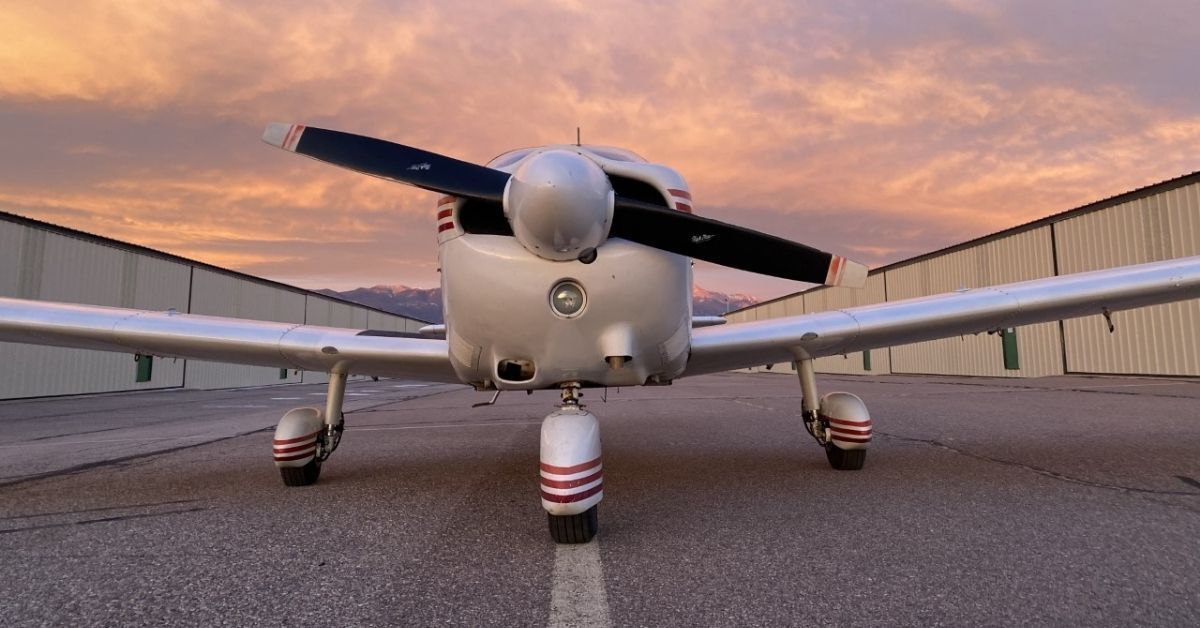
Fuel systems store and deliver fuel to the engine. High-wing aircraft, such as the Cessna 172, use gravity-feed systems, whereas low-wing aircraft, such as the Piper Archer, rely on fuel pumps. Pilots inspect fuel levels and drain tanks during pre-flight checks to remove water and sediment, reducing the risk of engine issues.
Aircraft engines require specific fuel grades, such as 100 Low Lead (100LL), dyed blue for easy identification. Using the wrong fuel grade can severely damage the engine; therefore, pilots carefully verify the fuel type during refueling.
Electrical System Components
Training aircraft typically use a 14- or 28-volt DC electrical system powered by an engine-driven alternator or generator, with the battery as a backup. The master switch activates the system, connecting the battery to the main electrical bus, while circuit breakers and fuses prevent overloads.
Pilots can reset tripped breakers once the system has cooled to avoid fires. Key instruments, such as the ammeter, indicate battery state of charge, and the load meter displays alternator load, helping pilots identify issues before battery depletion.
Oil System Functions
Engine oil plays a vital role in lubrication, cooling, sealing, and cleaning. It forms a thin film between moving parts, reducing friction and wear. At the same time, it carries heat away from the cylinders, preventing overheating. Oil also seals microscopic gaps between cylinder walls and piston rings, maintaining compression. It also collects contaminants, which the oil filter removes.
Most reciprocating engines use a wet-sump system, where oil resides in a sump at the engine's base. An oil pump circulates the oil through the engine and an oil cooler. Pilots check oil levels during pre-flight to avoid low oil, which could lead to overheating and engine failure.
Pitot-Static Instruments
The pitot-static system powers the altimeter, airspeed indicator, and vertical speed indicator by measuring air pressure.
- Altimeter: Senses static pressure to calculate altitude. As altitude increases, atmospheric pressure decreases, and the altimeter provides a corresponding reading.
- Vertical Speed Indicator (VSI): Measures the rate of climb or descent by detecting changes in static pressure.
- Airspeed Indicator: Compares ram air pressure from the pitot tube with static pressure from the static port to determine air speed.
Blockages in the pitot tube or static port can cause inaccurate readings. A blocked pitot tube affects only the airspeed indicator, while a blocked static port impacts all three instruments. Pilots ensure these ports stay clear during pre-flight inspections to avoid errors in critical flight data.
Hydraulic Systems
Hydraulic systems use pressurized fluid to perform work. In small training aircraft, hydraulics primarily operate the braking system. Pressing the rudder pedals drives fluid through lines to the brake assemblies, where it pushes pads against rotating discs to create friction and stop the aircraft.
Some aircraft also use hydraulics for retractable landing gear or constant-speed propellers. A hydraulic pump pressurizes fluid, and selector valves direct it to actuators as needed. During pre-flight checks, pilots inspect hydraulic systems for leaks near brakes or struts to ensure proper operation during critical phases such as landing.
Vacuum System
The vacuum system powers gyroscopic instruments like the attitude indicator and heading indicator. An engine-driven vacuum pump pulls air through these instruments, spinning their gyroscopes at high speeds. The spinning gyros maintain rigidity in space, allowing the instruments to provide accurate readings.
A vacuum gauge lets pilots monitor system suction. If the pump fails, the gyros slow down and become unreliable, causing the instruments to drift. Pilots must recognize vacuum failures and rely on backup instruments for partial-panel flying to maintain control.
Environmental Control Systems
Cabin comfort relies on heating and ventilation systems. In many single-engine aircraft, a shroud around the muffler heats incoming air, which then flows into the cabin. However, cracks in the muffler can let exhaust gases, including carbon monoxide, mix with the heated air.
Carbon monoxide detectors alert pilots to this odorless gas. If detected, pilots should immediately turn off the cabin heat and open fresh-air vents, which independently draw outside air into the cockpit for ventilation and cooling.
Charting Your Aviation Future
Understanding how your aircraft functions transforms the cockpit from a confusing space into a command center. You gain the ability to troubleshoot, manage resources, and operate with authority. Arapahoe Flight Club supports this learning process by providing training in real aircraft rather than just simulators. Our program offers 300 hours of flight time, compared with the 250 hours offered by many competitors, providing more hands-on experience with these systems.
Reviewing common aircraft systems, as explained for student pilots, builds a strong foundation for your training. Whether you seek a career change or advanced skills, knowing your machine positions you. We offer diverse paths, including commercial pilot license training, to help you achieve your professional goals. Take the next step in your aviation journey today.