
How To Get an Instrument Rating and Why It Matters
Weather conditions change without warning. Clouds roll in, visibility drops, and suddenly the clear skies you planned for vanish. For pilots holding only a private pilot certificate, these scenarios ground flights and limit opportunities. However, pilots with an instrument rating continue flying safely through these conditions.
Understanding how to get an instrument rating and why it matters transforms your aviation capabilities. This certification allows you to fly in weather conditions that would otherwise keep you on the ground. Moreover, it opens doors to commercial aviation careers and provides the skills necessary for safe flight operations.
What Makes an Instrument Rating Essential
An instrument rating (IR) is a valuable pilot credential that allows flying under Instrument Flight Rules (IFR). This means navigating mainly by instruments instead of visual cues outside the aircraft. The FAA requires specific training and testing for this rating. Unlike visual flight rules, IFR enables pilots to fly safely in poor visibility or uncertain conditions.
Professional pilots consider this rating foundational for career advancement. Airlines, charter companies, and corporate flight departments typically require instrument ratings for employment consideration. The training develops precision flying skills that benefit every aspect of your aviation experience.
Career Advancement Opportunities
Commercial aviation relies heavily on instrument-rated pilots. Regional airlines, charter services, and corporate flight departments seek candidates with IFR experience. The rating demonstrates your commitment to professional aviation standards and your ability to handle complex flight scenarios.
Military pilots transitioning to civilian careers often find their instrument experience valuable. However, civilian instrument rating requirements may differ from military training, necessitating additional certification steps.
Training Requirements and Prerequisites
The process of obtaining an instrument rating requires specific prerequisites and training milestones. To begin, you must already possess a private pilot certificate. A current medical certificate suitable for the intended privileges is also necessary.
In terms of experience, you need to have accumulated at least 50 hours of cross-country flying as the pilot-in-command. The FAA further requires 40 hours of actual or simulated instrument flying, with a minimum of 15 hours of instruction from an authorized flight instructor.
Ground School and Written Examination
Comprehensive ground study covers navigation systems, weather interpretation, federal aviation regulations, and instrument approach procedures. Topics include radio navigation, GPS systems, and communication protocols used in the National Airspace System.
The written examination tests your knowledge across these areas. Scoring at least 70% allows you to proceed with practical training. Many flight schools offer structured ground courses to prepare students for this examination.
Flight Training Components
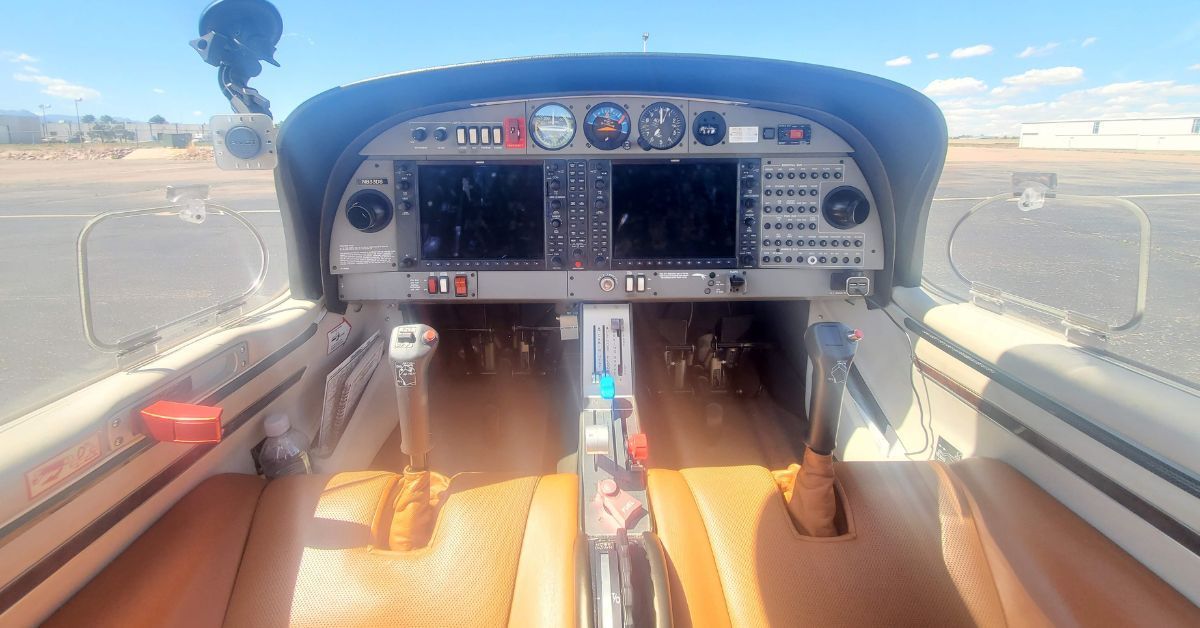
Instrument flight training focuses on precision and adherence to procedures. Students practice approaches, holds, and navigation using various instrument systems. Training aircraft typically include multiple navigation radios, GPS systems, and autopilot equipment.
Your certified flight instructor will guide you through different approach types, including precision and non-precision procedures. Cross-country flights under simulated instrument conditions build real-world experience and confidence.
Different Training Paths Available
Several training options accommodate different schedules and learning preferences. Part 61 training offers flexibility, allowing students to progress at their own pace. This approach works well for pilots with irregular schedules or those balancing training with other commitments.
Part 141 schools provide structured curricula approved by the FAA. These programs often require fewer total flight hours due to their systematic approach. However, they demand adherence to specific lesson sequences and timelines.
Accelerated Programs
Intensive training programs compress instrument rating courses into shorter timeframes. These programs typically require a full-time commitment for several weeks. Students complete ground school, flight training, and checkride preparation in rapid succession.
Accelerated training suits pilots with time constraints or those seeking immediate career advancement. However, the intensive pace requires dedication and strong foundational knowledge.
Traditional Part-Time Training
Many pilots choose part-time training that accommodates work schedules and family obligations. This approach allows thorough absorption of concepts and skills over extended periods. Students can repeat lessons as needed without being constrained by the program.
Part-time training often costs less upfront, spreading expenses over longer periods. However, extended training timelines may result in higher total costs due to skill degradation between lessons.
Practical Test and Certification Process
The instrument rating practical test, commonly called a checkride, evaluates your knowledge and skills through oral examination and flight demonstration. A designated pilot examiner (DPE) or FAA inspector conducts this evaluation.
The oral portion covers instrument procedures, weather interpretation, and scenario-based questions. You must demonstrate understanding of instrument approach plates, departure procedures, and emergency protocols.
Flight Test Requirements
During the flight segment, you'll perform various instrument procedures in either real or simulated conditions. This includes precision and non-precision approaches, holding patterns, and navigation using different systems.
The examiner assesses your skills in maintaining aircraft control, accurate navigation, and effective communication, and consistently performing within the designated tolerances during the checkride, which results in certification.

Benefits Beyond Weather Flying
While weather-flying capabilities represent the most obvious benefit, instrument ratings offer numerous additional advantages. The training develops exceptional aircraft-control skills and situational awareness, improving all aspects of flying.
Instrument-rated pilots demonstrate higher safety records compared to those holding only private certificates. The systematic approach to flight planning and execution reduces accident rates across all flight operations.
Enhanced Flight Planning Skills
Instrument training emphasizes thorough flight planning and risk assessment. You'll learn to interpret weather products, plan alternate airports, and calculate fuel requirements for various scenarios. These skills benefit every flight you conduct.
Navigation skills improve dramatically through instrument training. Understanding different navigation systems and their limitations makes you a more competent pilot regardless of weather conditions.
Professional Credibility
An instrument rating signals serious commitment to aviation excellence. Flight schools, charter operators, and aircraft owners recognize this credential as evidence of advanced skills and professionalism. Insurance companies often provide reduced premiums for instrument-rated pilots. The lower accident rates associated with IFR training translate to financial benefits for aircraft owners and operators.
Taking Your Aviation Journey Further
Achieving an instrument rating marks an essential step in your aviation journey. The skills and knowledge acquired during this training lay a foundation for future advanced certifications and career paths. Many pilots go on to obtain commercial certificates after earning an instrument rating. This rating meets the requirements for a commercial certificate and offers essential experience for those pursuing professional aviation careers.
Whether you're transitioning from another career field or seeking advanced aviation training after military service, pilot training in Colorado Springs offers programs designed to meet your goals. Arapahoe Flight Club offers both Part 61 and Part 141 training, with experienced instructors who understand the unique challenges of high-altitude operations. Contact our team today to discuss your instrument rating goals and take the next step toward expanding your aviation capabilities.