
What It Takes To Fly a Helicopter in Mountainous Terrain
Flying helicopters through mountainous landscapes demands specialized skills, extensive preparation, and unwavering focus. But have you ever wondered what it takes to fly a helicopter in mountainous terrain? It goes far beyond basic flight training: it requires mastering complex environmental factors, understanding aircraft limitations, and developing advanced decision-making capabilities.
Mountain helicopter operations involve navigating unpredictable weather patterns, managing altitude-induced performance changes, and executing precise maneuvers in confined spaces. Pilots must possess exceptional situational awareness and technical proficiency to safely handle these demanding conditions.
Advanced Flight Training Requirements
Mountain helicopter operations demand comprehensive training beyond standard pilot certification. Pilots need specialized instruction focusing on high-altitude performance characteristics and mountain-specific flight techniques. Training programs cover density altitude calculations, power management strategies, and autorotation procedures adapted for mountainous terrain.
Helicopter performance decreases significantly at higher elevations due to reduced air density. Training emphasizes understanding these limitations and developing compensation techniques. Pilots learn to recognize when conditions exceed safe operating parameters and make appropriate go/no-go decisions.
Mountain flying courses typically include simulated emergency scenarios specific to alpine environments. These exercises prepare pilots for situations such as sudden weather changes, unexpected downdrafts, and confined area landings on uneven terrain.
Weather Pattern Recognition and Assessment
Mountain flying demands heightened awareness and preparation due to the unique challenges posed by high-altitude operations. Pilots must gain a thorough understanding of how terrain, altitude, and atmospheric conditions interact to ensure safety in these unpredictable environments.
Understanding Orographic Effects
Mountain weather patterns differ dramatically from those in the lowlands. Orographic lifting creates rapidly changing weather situations that can trap unprepared pilots. Air masses forced upward by mountain slopes cool and condense, forming clouds and precipitation on the windward sides while creating dry conditions on the leeward sides.
Pilots must recognize signs of mountain wave activity, which can produce severe turbulence and downdrafts that exceed a helicopter's climb capabilities. These invisible atmospheric phenomena pose serious threats to aircraft control and structural integrity.
Wind Pattern Analysis
Mountain terrain creates complex wind patterns, including valley breezes, slope winds, and venturi effects through passes. Daytime heating causes air to flow upslope, while nighttime cooling reverses the pattern. These predictable cycles help pilots plan optimal flight times and routes.
Canyon and pass flying requires understanding how terrain channels and accelerates wind flow. Venturi effects can double wind speeds through narrow passages, creating conditions that exceed helicopter operating limitations.

Aircraft Performance Planning and Limitations
High-altitude operations significantly impact helicopter performance by decreasing engine power output and rotor efficiency. Pilots need to calculate how density altitude affects hover performance, climb rates, and service ceiling limits. Weight and balance calculations become even more critical in mountain operations. Even minor weight increases can prevent hovering at high elevations.
Fuel planning must carefully account for performance reductions and potential route changes. Monitoring engine performance is especially vital during mountain flights. Pilots should identify early signs of power loss and understand how altitude influences emergency autorotation procedures. Touchdown distances are longer at higher elevations, so larger landing areas are required.
Emergency Procedures and Contingency Planning
Flying in mountainous terrain presents unique challenges that demand thorough preparation and situational awareness. Pilots must account for rapidly changing weather, reduced aircraft performance at altitude, and the potential for unforeseen emergencies. Prior planning and adaptability are key to ensuring safety in these demanding environments.
Autorotation Techniques for Mountain Terrain
Mountain autorotations present unique challenges due to uneven terrain and limited landing options. Pilots must identify suitable landing areas during normal flight operations and maintain awareness of emergency landing zones throughout their route.
High-altitude autorotations require modified techniques due to increased descent rates and reduced rotor efficiency. Training focuses on energy management and flare timing adjustments necessary for safe touchdowns at elevation.
Weather Deterioration Response
Sudden weather changes in the mountains can trap helicopters between advancing weather systems and rising terrain. Pilots need predetermined escape routes and decision points established before encountering deteriorating conditions.
White-out conditions from snow or clouds eliminate visual references necessary for helicopter control. Recovery techniques and instrument flying skills become essential survival tools when caught in these situations.
Navigation and Route Planning Strategies
Mountain navigation requires detailed terrain analysis and route planning, while accounting for aircraft performance limitations. Pilots must identify minimum safe altitudes, emergency landing sites, and alternate routes throughout their planned flight path.
GPS navigation provides precise position information, but pilots need backup navigation methods when electronic systems fail. Traditional pilotage and dead reckoning skills remain valuable in mountainous terrain where GPS signals may be interrupted.
Terrain Awareness Systems
Modern helicopters equipped with terrain awareness and warning systems provide additional safety margins in mountain operations. These systems alert pilots to terrain conflicts and provide visual terrain representations even in reduced visibility conditions.
However, pilots cannot rely solely on electronic systems. Understanding terrain features, elevation patterns, and obstacle locations through map study and visual reconnaissance remains fundamental to safe mountain flying.
Specialized Equipment and Aircraft Modifications
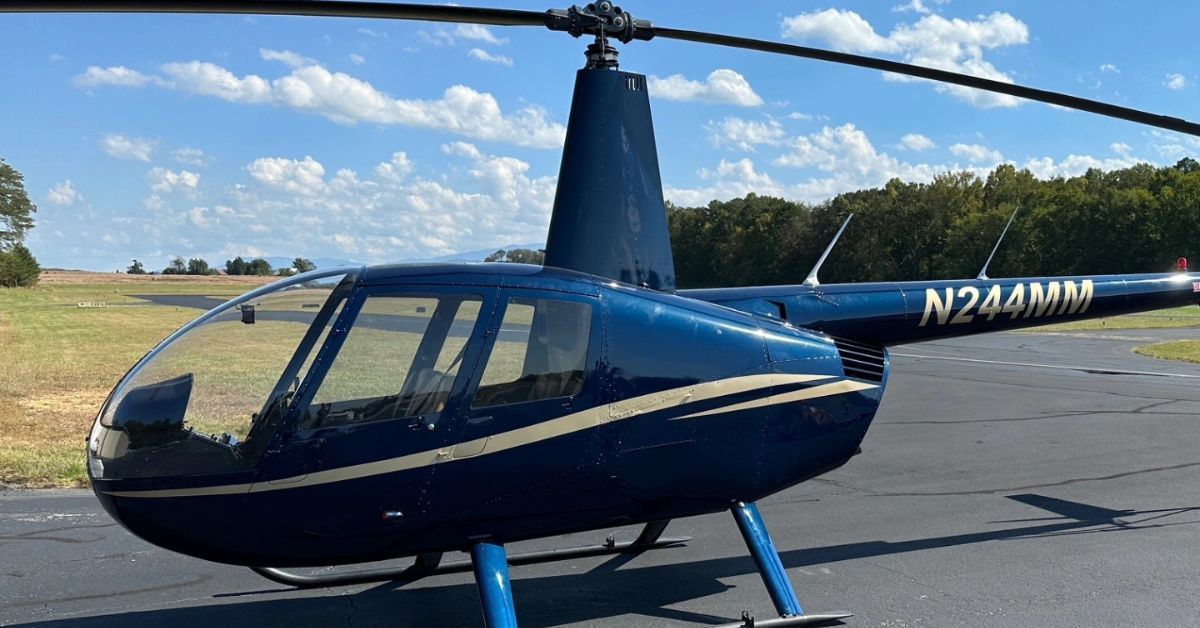
Mountain helicopter operations often require specialized equipment such as high-altitude performance kits, emergency locator transmitters, and survival gear. Some aircraft need modifications like improved filtration systems for dusty conditions or enhanced heating systems for cold weather operations.
Communication gear becomes more crucial in mountainous areas where radio coverage may be limited. Pilots need backup communication methods and an understanding of radio signal propagation in mountainous terrain.
Risk Management and Decision Making
Mountain flying requires careful decision-making and detailed risk assessment. Pilots need to evaluate several factors including weather, aircraft performance, terrain, and pilot experience before undertaking mountain operations.
The "get-home-itis" mentality proves particularly dangerous in mountain environments where conditions can deteriorate rapidly. Successful mountain pilots maintain flexibility in their plans and readily accept delays or diversions when conditions warrant.
Taking Your Skills to New Elevations
Mountain helicopter operations represent the pinnacle of rotorcraft flying, demanding extensive preparation, specialized training, and conservative decision-making. What it takes to fly a helicopter in mountainous terrain encompasses technical proficiency, weather knowledge, and sound judgment developed through dedicated study and practice.
Pilots considering mountain operations should pursue specialized training programs that address the unique challenges of mountain operations. Check out our professional helicopter flight lessons, which provide the foundation for developing advanced mountain flying skills under experienced instructor guidance. Gain the structured learning environment needed to master the complex skills required for safe mountain helicopter operations.